Vascular Procedures
At Vascular Health Center in Battle Creek, MI, we know how vascular disease can impact your life. Our board-certified physicians offer expert, non-surgical care and on-site procedures designed to help you restore and maintain optimal vascular health.
Aortoiliac disease occurs when plaque builds up inside the aorta and iliac arteries, reducing blood flow to the legs and lower body. This condition may cause leg pain while walking, cramping, numbness, weakness, cold feet, or non-healing wounds. Risk factors include smoking, diabetes, high blood pressure, and high cholesterol. Early diagnosis and treatment are important to improve circulation, reduce symptoms, and help prevent serious complications such as limb loss or critical limb ischemia.
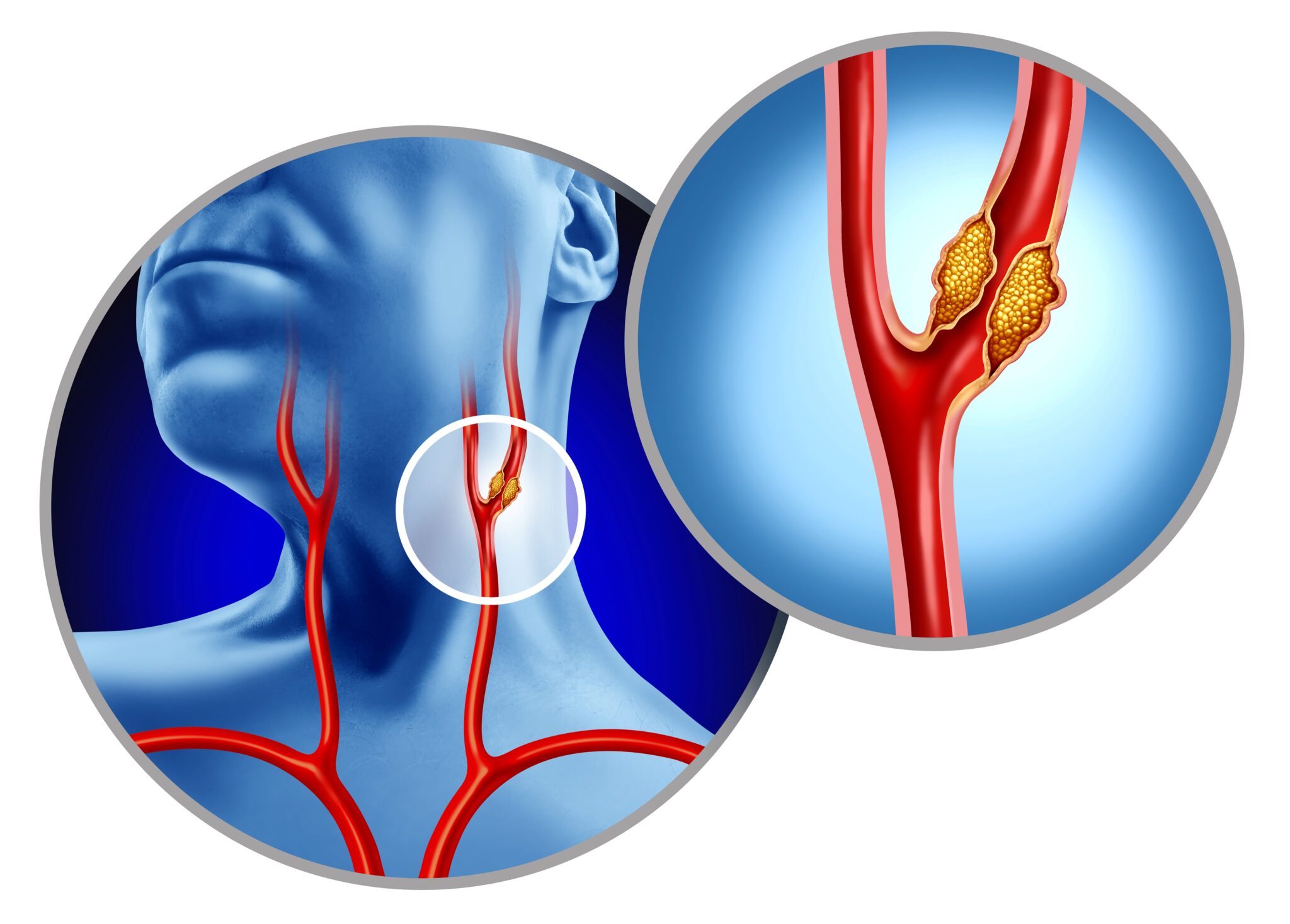
Carotid artery disease occurs when plaque builds up in the arteries supplying blood to the brain, increasing the risk of stroke. We provide comprehensive evaluation and treatment, including carotid stenting and medical therapy, to reduce stroke risk and protect brain health.
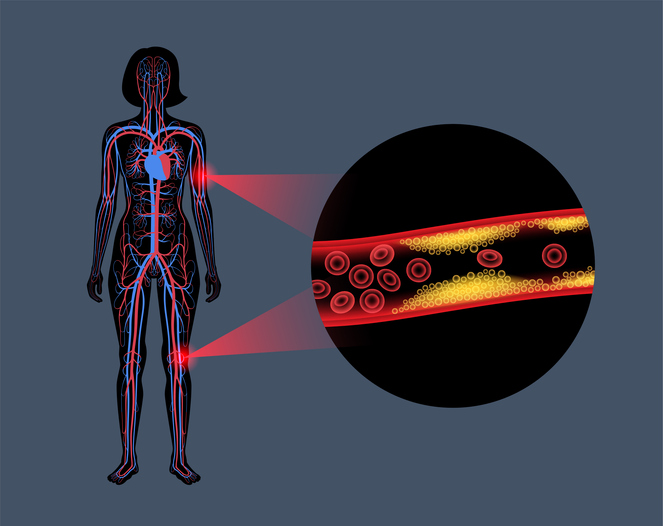
Peripheral Arterial Disease (PAD) is a condition where arteries in the legs become narrowed or blocked, reducing blood flow. Symptoms may include leg pain, cramping, numbness, or non-healing wounds. Our team provides advanced minimally invasive treatments such as angioplasty, stenting, and atherectomy to restore circulation, relieve symptoms, and prevent complications like limb loss.
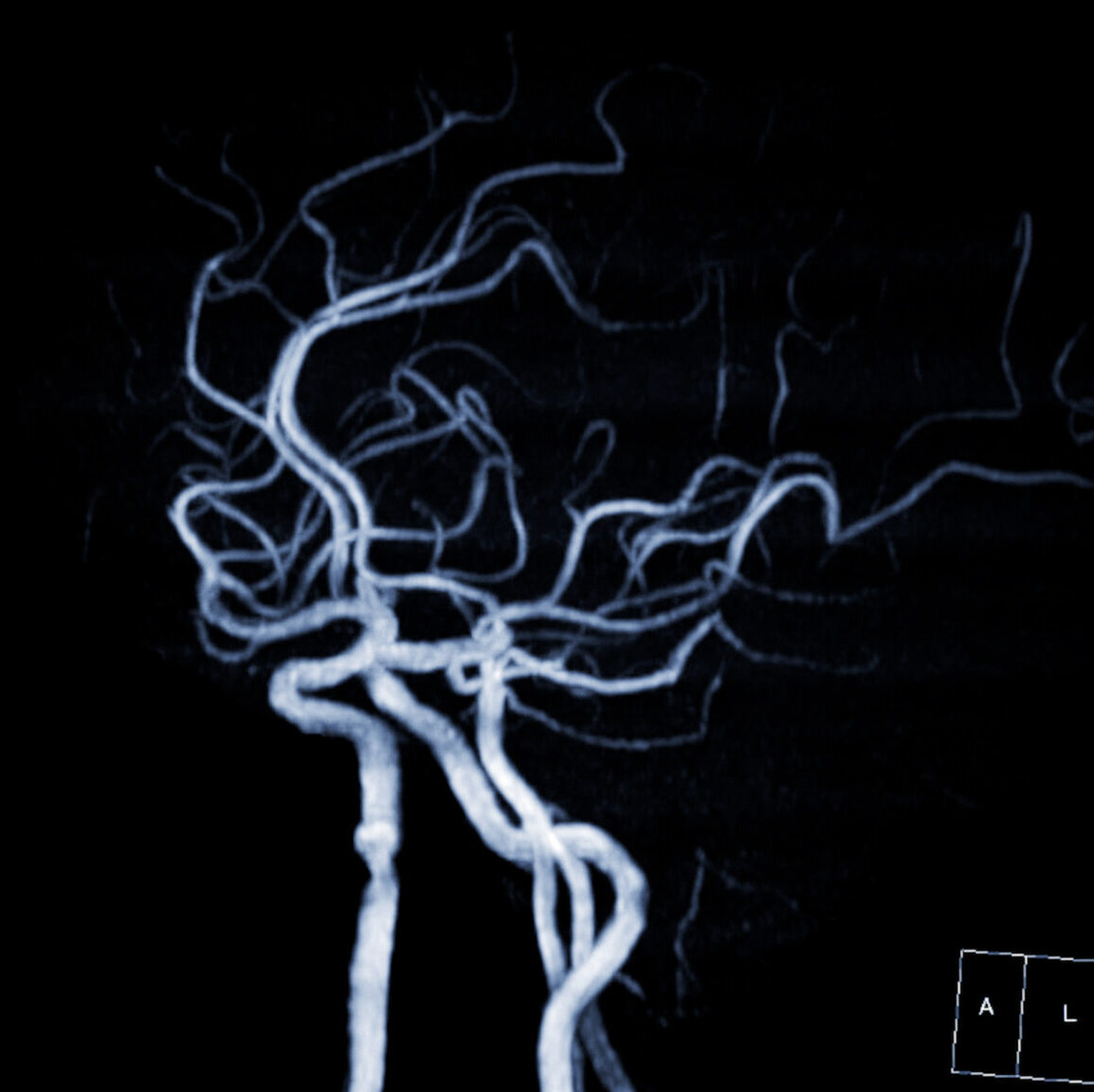
Renovascular conditions affect the blood vessels that supply the kidneys. Narrowing of these arteries can reduce blood flow to the kidneys and lead to difficult-to-control high blood pressure or decreased kidney function. Symptoms may not always be noticeable in early stages, making vascular evaluation important for proper diagnosis. Treatment options may include medications, minimally invasive procedures, or ongoing monitoring depending on the severity of the condition.
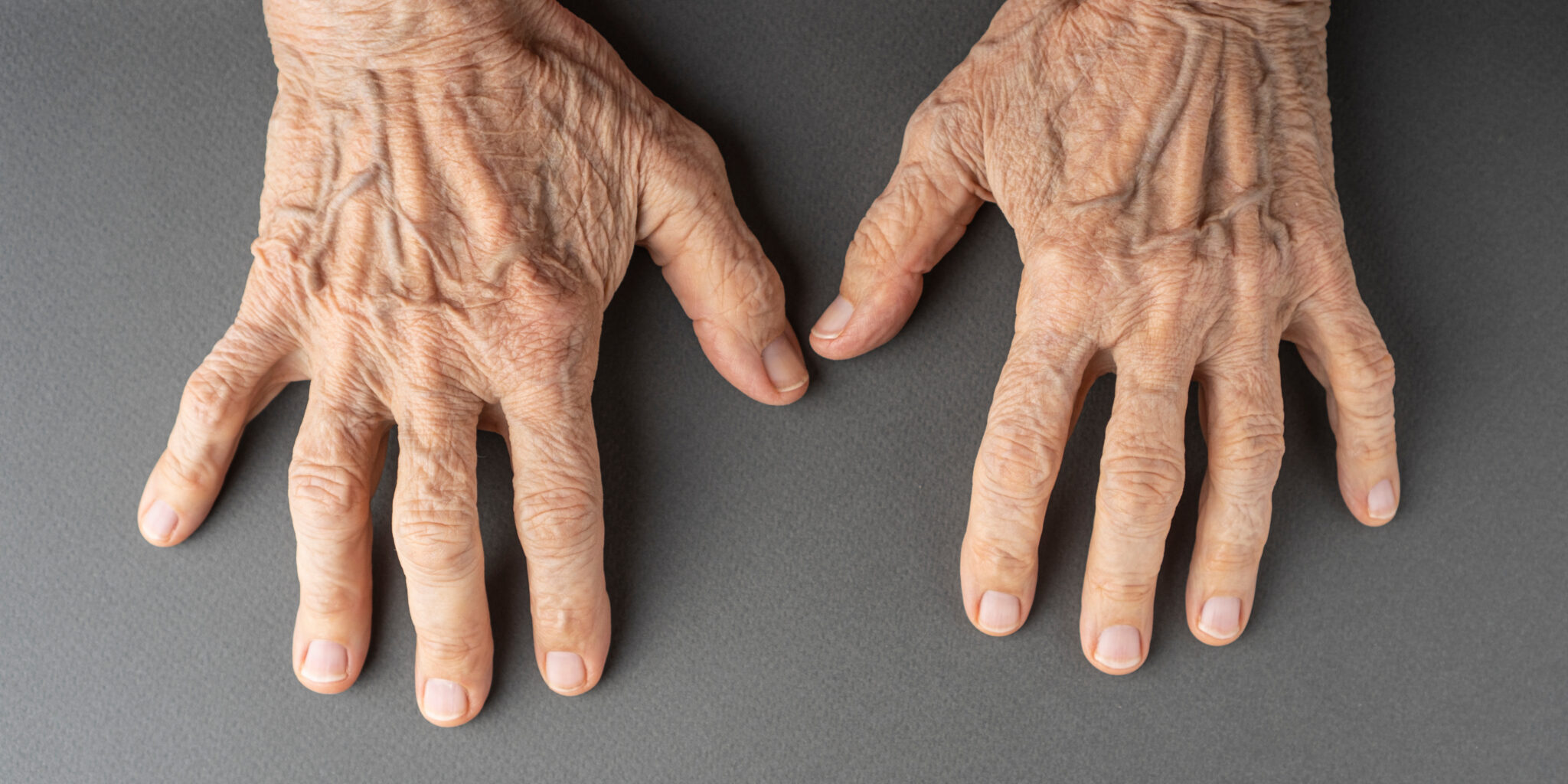
Upper extremity arterial disease is caused by narrowing or blockage of the arteries in the arms and hands. Reduced blood flow may result in arm fatigue, pain, numbness, tingling, weakness, or coldness in the fingers and hands. Patients may notice symptoms during activity or while lifting objects. Proper vascular evaluation can help identify circulation problems early and determine the best treatment plan to restore healthy blood flow and improve arm function.
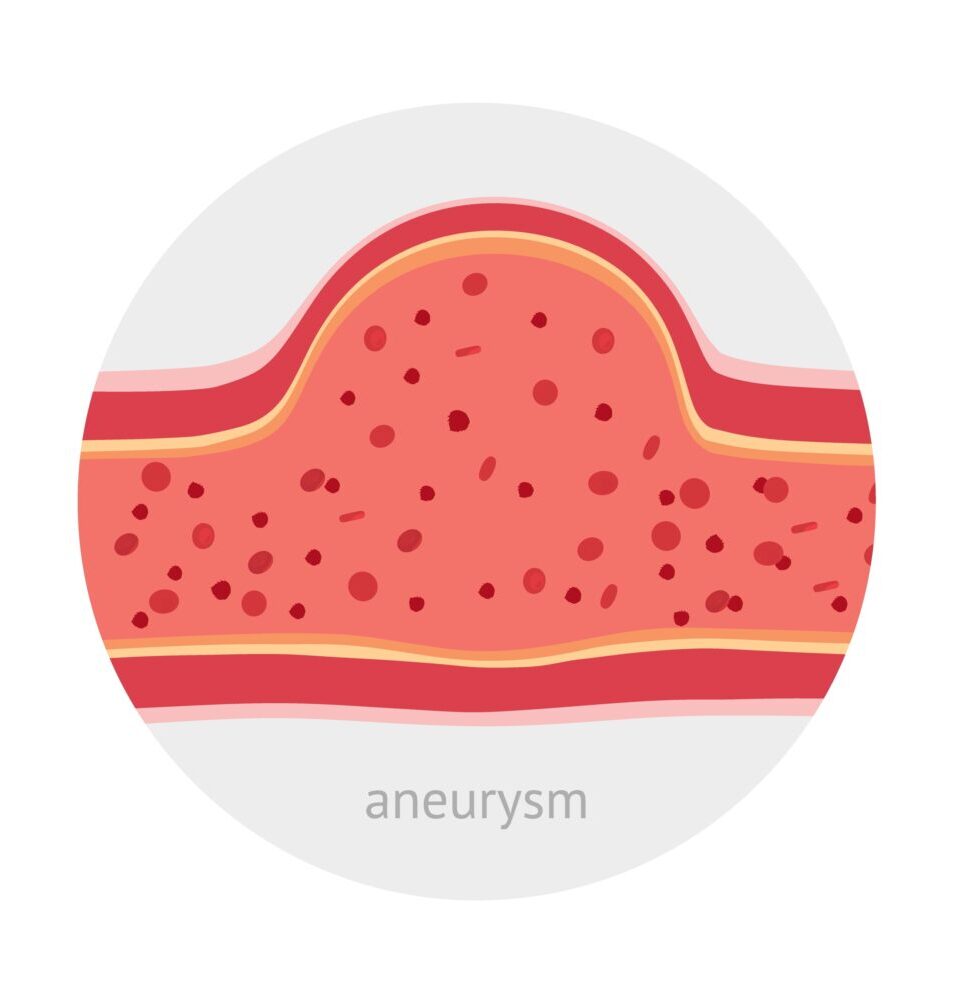
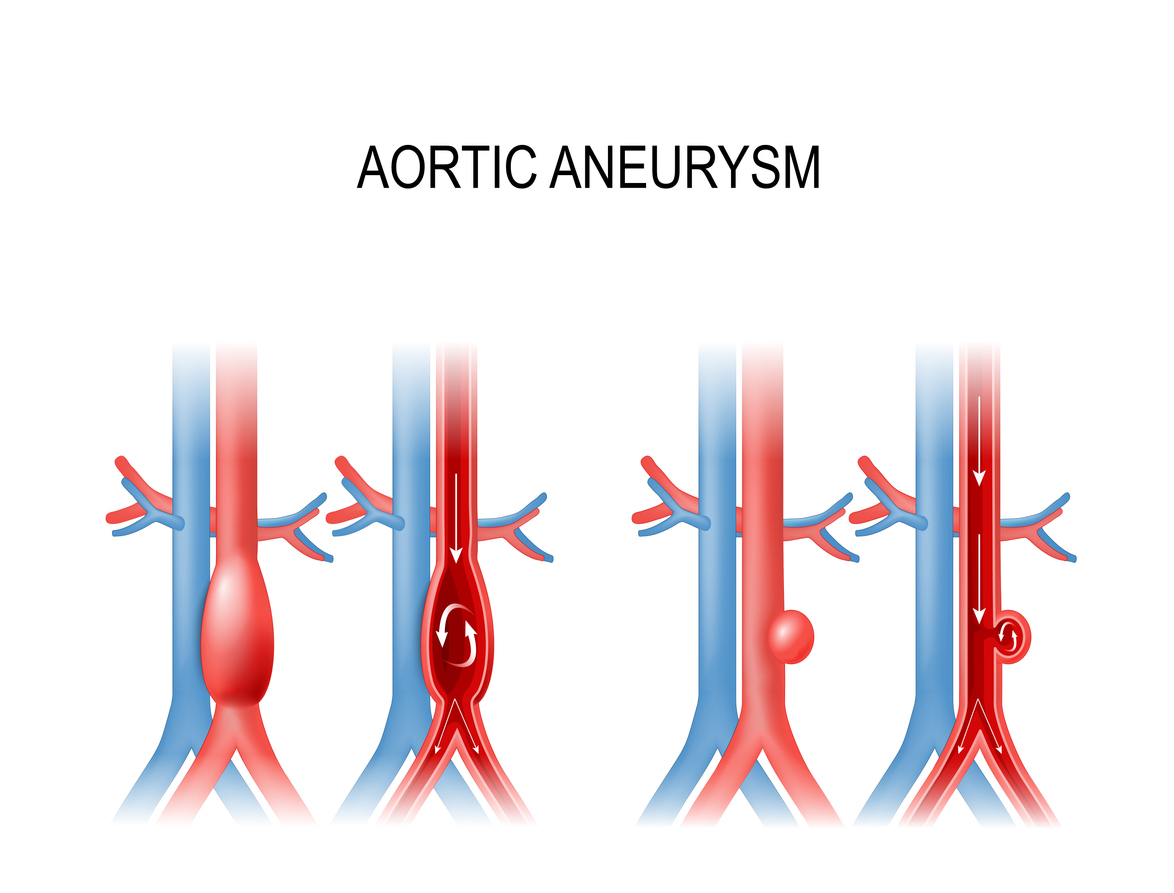
An aneurysm is a weakening and bulging of an artery that can rupture if left untreated. We specialize in early detection and minimally invasive repair of aneurysms (AAA). Our goal is to reduce risk and provide safe, effective treatment with faster recovery times.

Lymphedema is a condition caused by blockage or damage to the lymphatic system, leading to fluid buildup and swelling, most commonly in the legs or arms. Patients may experience heaviness, tightness, discomfort, skin changes, or recurrent infections. Lymphedema can affect mobility and quality of life if left untreated. Early evaluation and treatment can help manage swelling, improve comfort, and reduce complications.
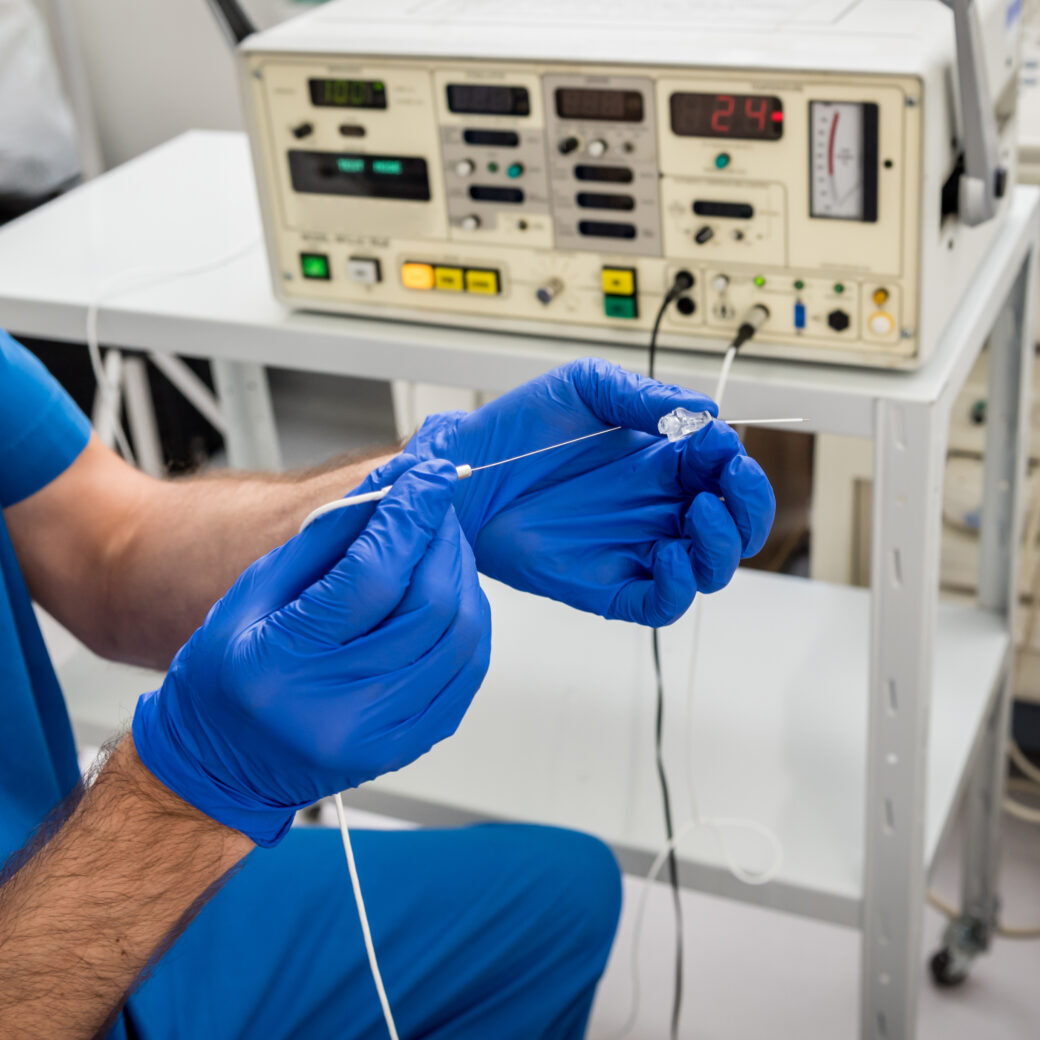
A catheter is a thin flexible tube used during minimally invasive vascular procedures to diagnose or treat blood vessel conditions. Catheters allow physicians to access arteries and veins with precision using image-guided technology. They are commonly used for angiograms, angioplasty, stent placement, and other vascular treatments while minimizing recovery time and reducing the need for open surgery.
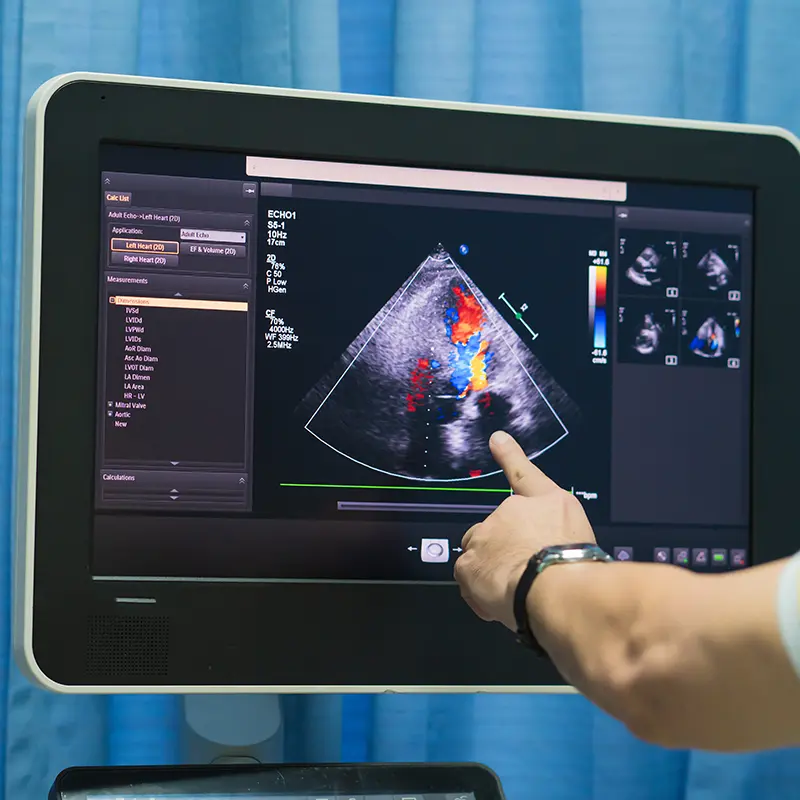
A fistula is a surgically created connection between an artery and vein, most commonly used for dialysis access in patients with kidney disease. Fistulas are considered one of the preferred forms of dialysis access because they typically provide strong blood flow and long-term reliability. Regular monitoring is important to ensure the fistula remains healthy and functions properly for dialysis treatments.
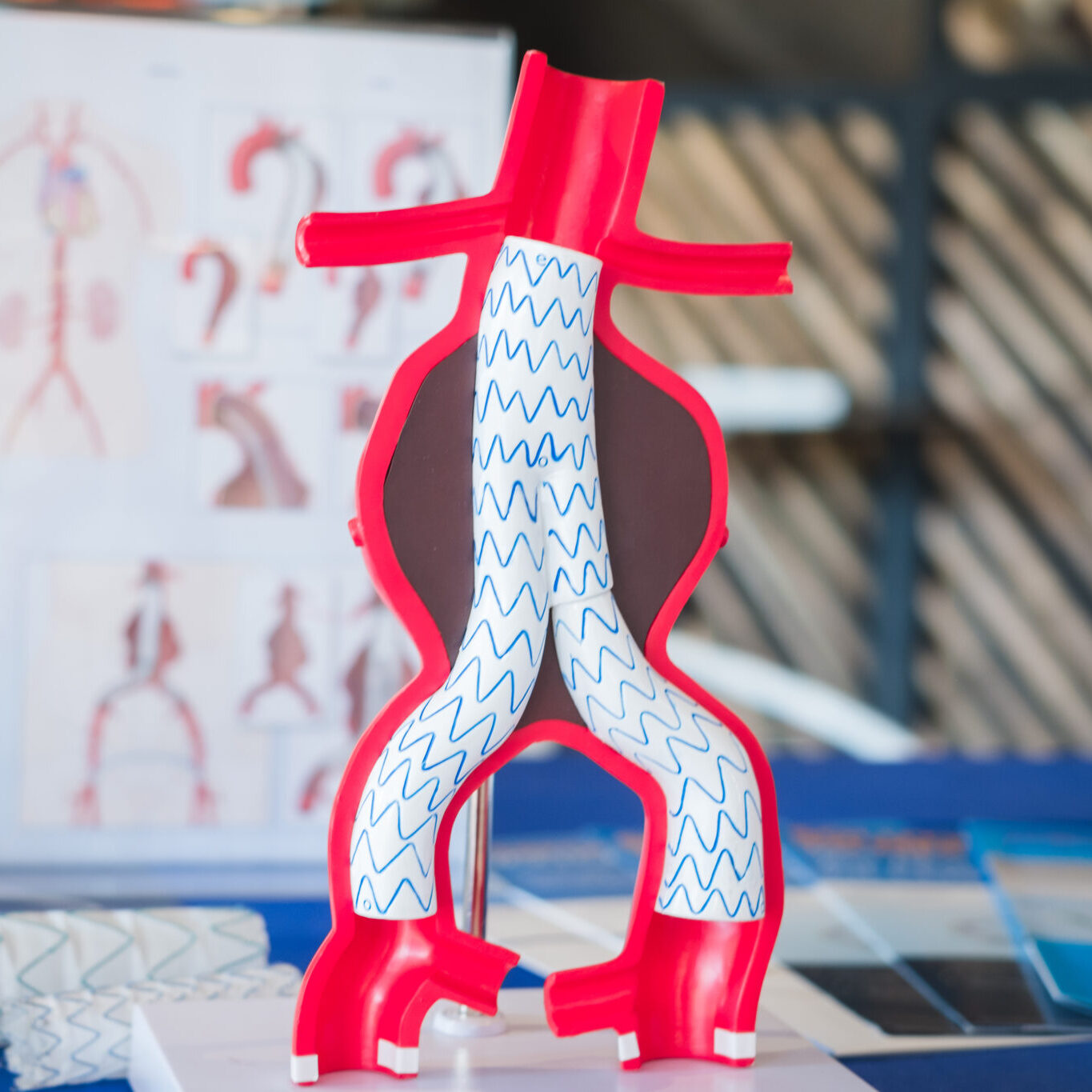
A vascular graft is a synthetic or biological tube used to replace, repair, or bypass damaged blood vessels. Grafts are commonly used in bypass surgery and dialysis access procedures when natural vessels are not suitable. They help restore proper blood flow and support circulation throughout the body. Ongoing monitoring is important to maintain graft function and detect potential complications early.
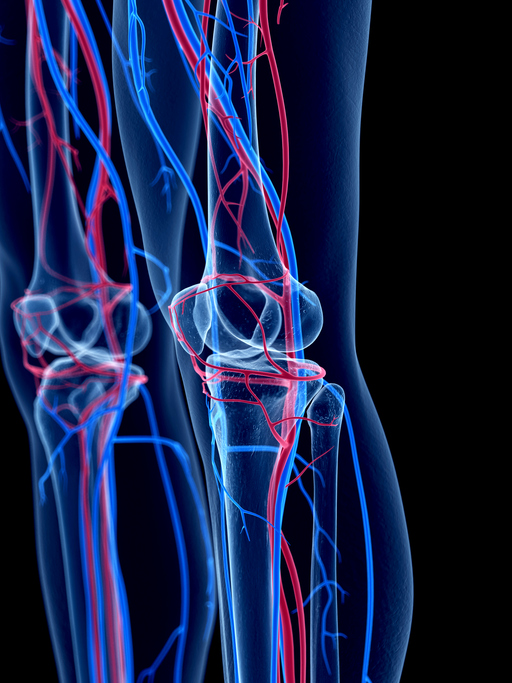
Genicular Artery Embolization (GAE) is a minimally invasive procedure used to treat knee pain caused by osteoarthritis. By reducing abnormal blood flow to inflamed areas, GAE helps decrease pain and improve mobility without surgery. This is an excellent option for patients who are not ready for or want to avoid knee replacement.
Cause: Inflammation and abnormal blood vessel growth in the knee joint.
How it is treated:
Procedure time: 1-2 hours
Overview: GAE is a minimally invasive alternative to knee surgery, reducing pain and improving mobility.
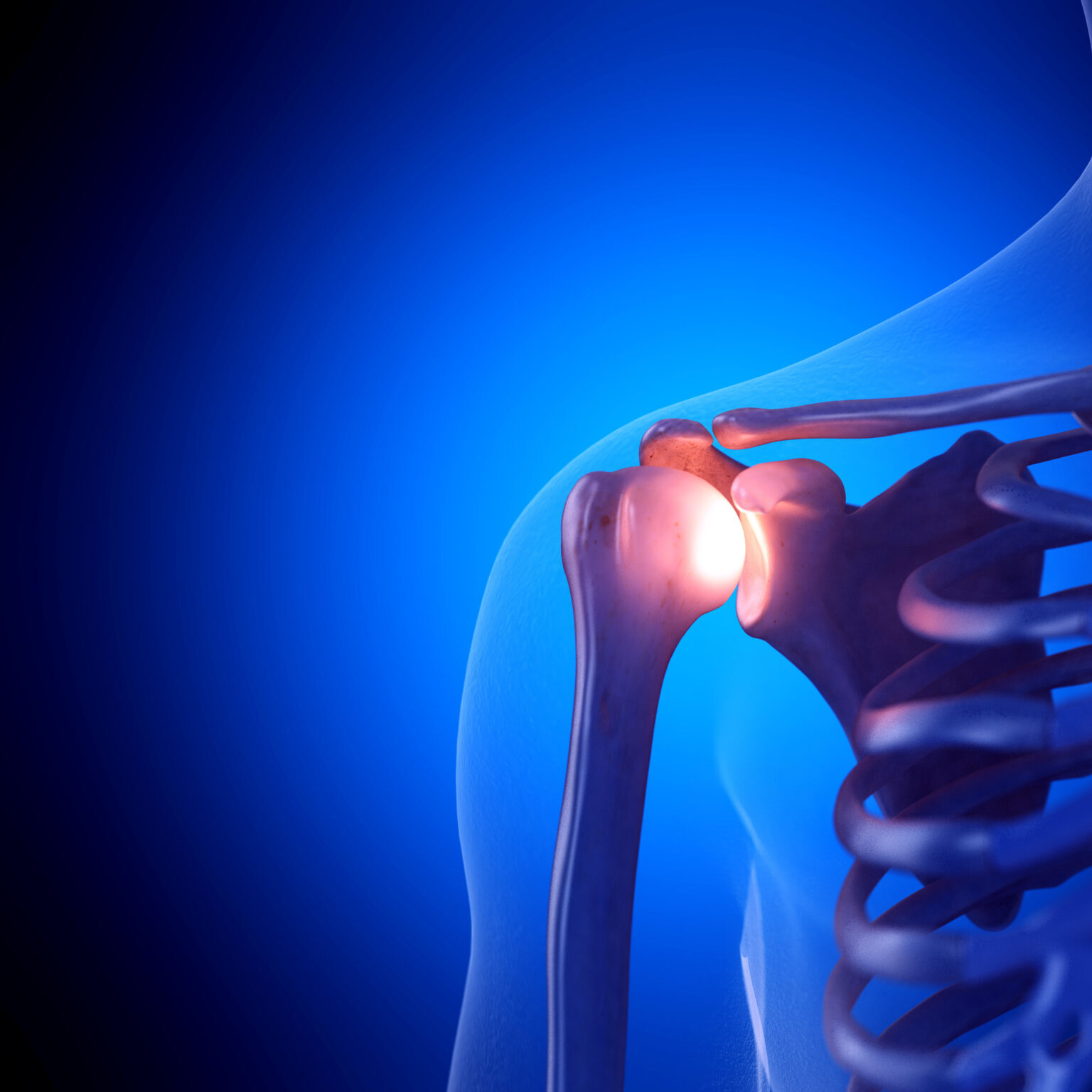
Shoulder Artery Embolization is a minimally invasive image-guided procedure used to treat chronic shoulder pain caused by inflammation or osteoarthritis. By reducing abnormal blood flow to the inflamed area, SAE may help decrease pain, improve mobility, and restore shoulder function without major surgery.
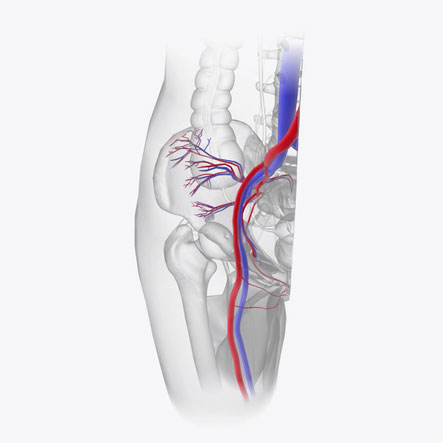
Hip Artery Embolization is a minimally invasive procedure designed to help relieve chronic hip pain related to osteoarthritis and inflammation. Using advanced image-guided technology, HAE targets abnormal blood flow around the hip joint to reduce pain, improve mobility, and support faster recovery without major surgery.
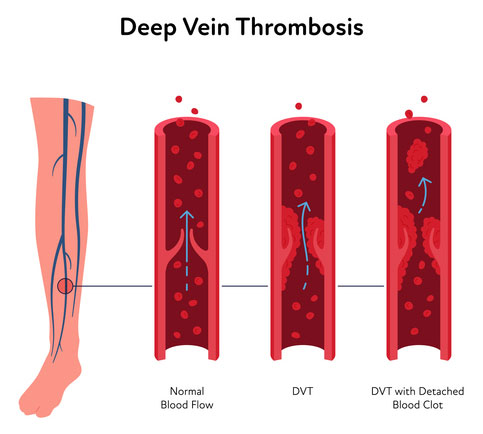
Deep vein thrombosis (DVT) occurs when a blood clot forms in a deep vein, most commonly in the legs. Symptoms may include swelling, pain, redness, warmth, or tenderness in the affected limb. If left untreated, the clot can travel to the lungs and cause a pulmonary embolism, which can become life-threatening. Early diagnosis and treatment are essential to prevent complications and protect circulation health.
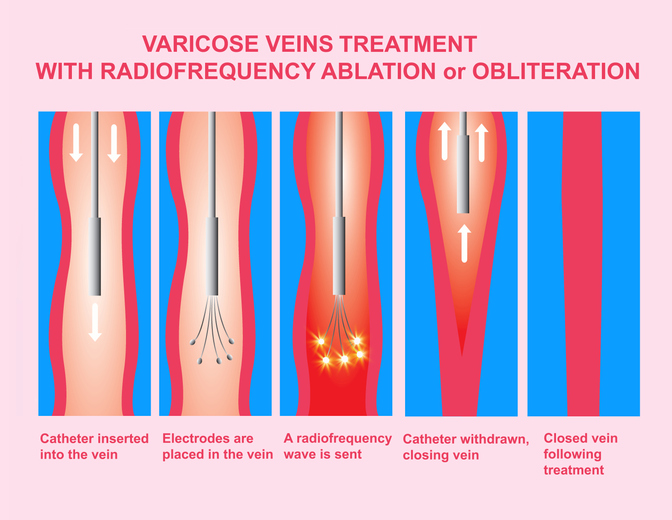
Uses controlled heat to close the diseased vein and redirect blood flow to healthy veins.
VenaSeal™: Uses a medical adhesive to seal the affected vein without the use of heat, providing a comfortable treatment with minimal downtime.
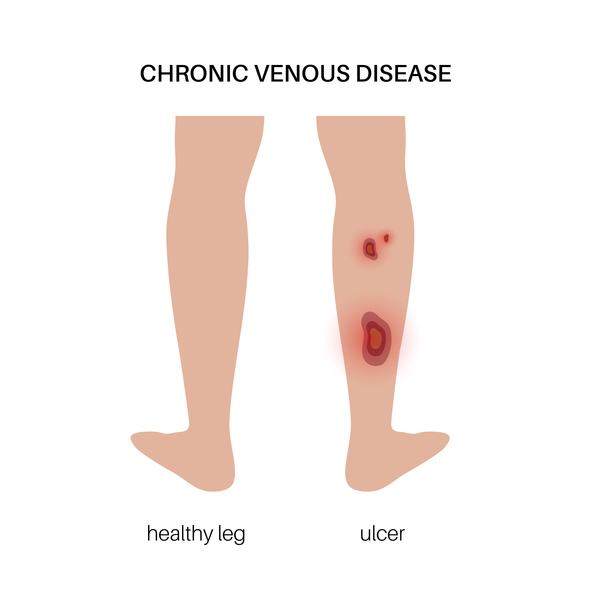
Venous stasis ulcers are chronic wounds that develop due to poor circulation in the veins of the legs. Increased pressure within the veins can lead to skin damage, swelling, discoloration, and slow-healing ulcers, usually near the ankles. Proper vascular evaluation and treatment can improve circulation, support wound healing, and reduce the risk of recurrence or infection.
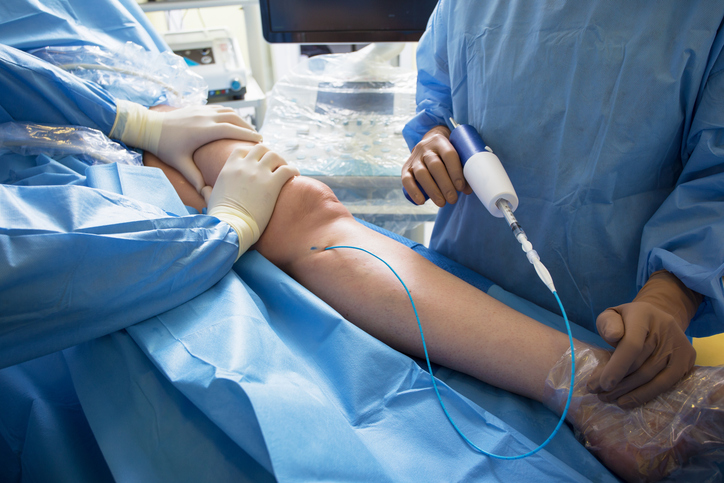
Venous insufficiency occurs when the veins in the legs have difficulty returning blood to the heart, causing blood to pool in the lower extremities. Common symptoms include leg swelling, aching, heaviness, fatigue, varicose veins, skin discoloration, and non-healing wounds. At Vascular Health Center, we provide comprehensive evaluation and advanced treatment options to improve circulation, relieve symptoms, and enhance quality of life.
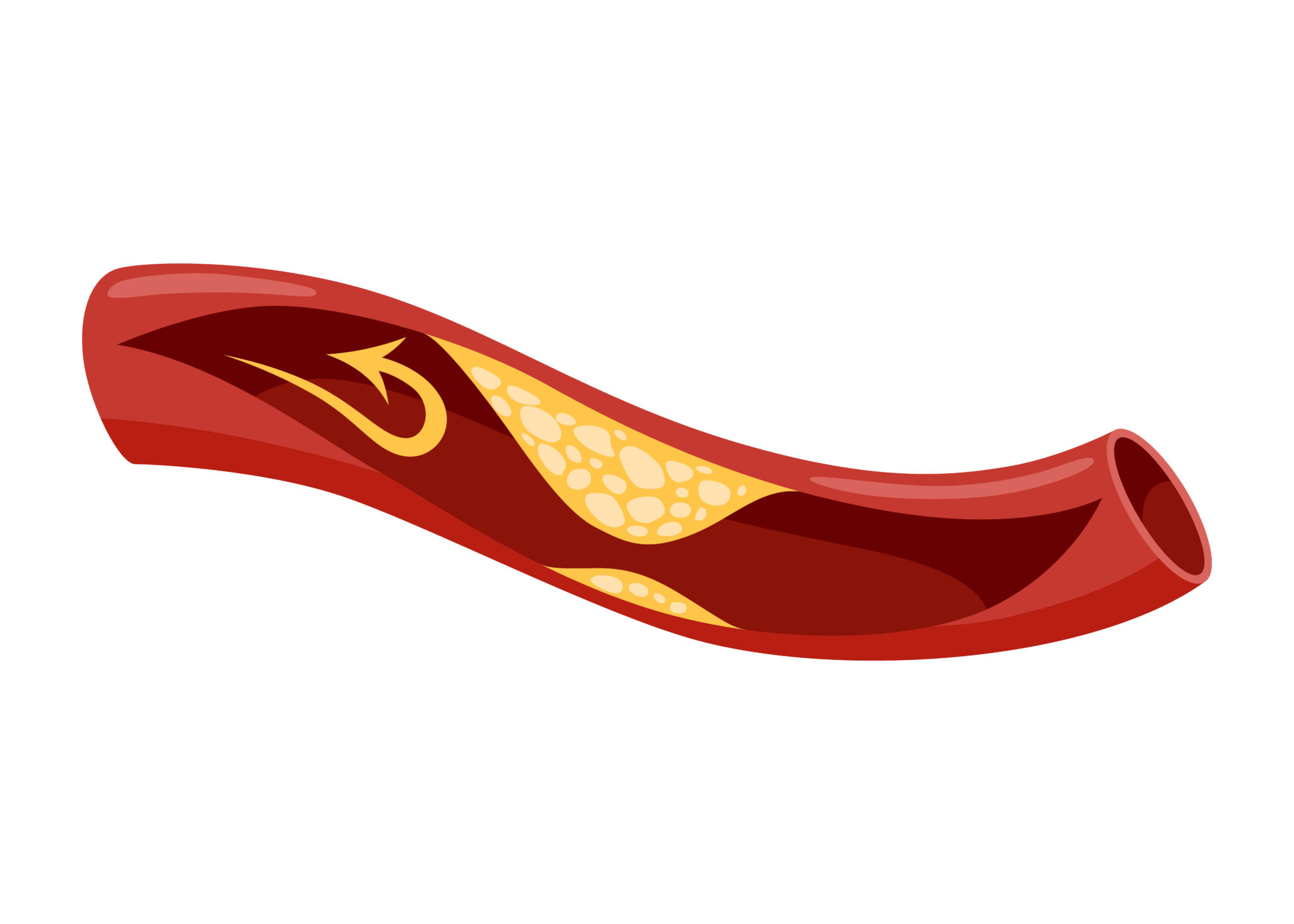
Venous disease includes conditions such as varicose veins, chronic venous insufficiency, and deep vein thrombosis (DVT). Patients may experience swelling, pain, skin changes, or ulcers. We offer personalized treatments including vein ablation, sclerotherapy, and medical management to improve circulation and quality of life.
Cause: Malfunctioning vein valves causing blood pooling in the legs.
How is it treated:
Procedure time: 30-60 minutes
Overview: Venous disease causing swelling, pain, and skin changes. Treatments improve circulation and quality of life.

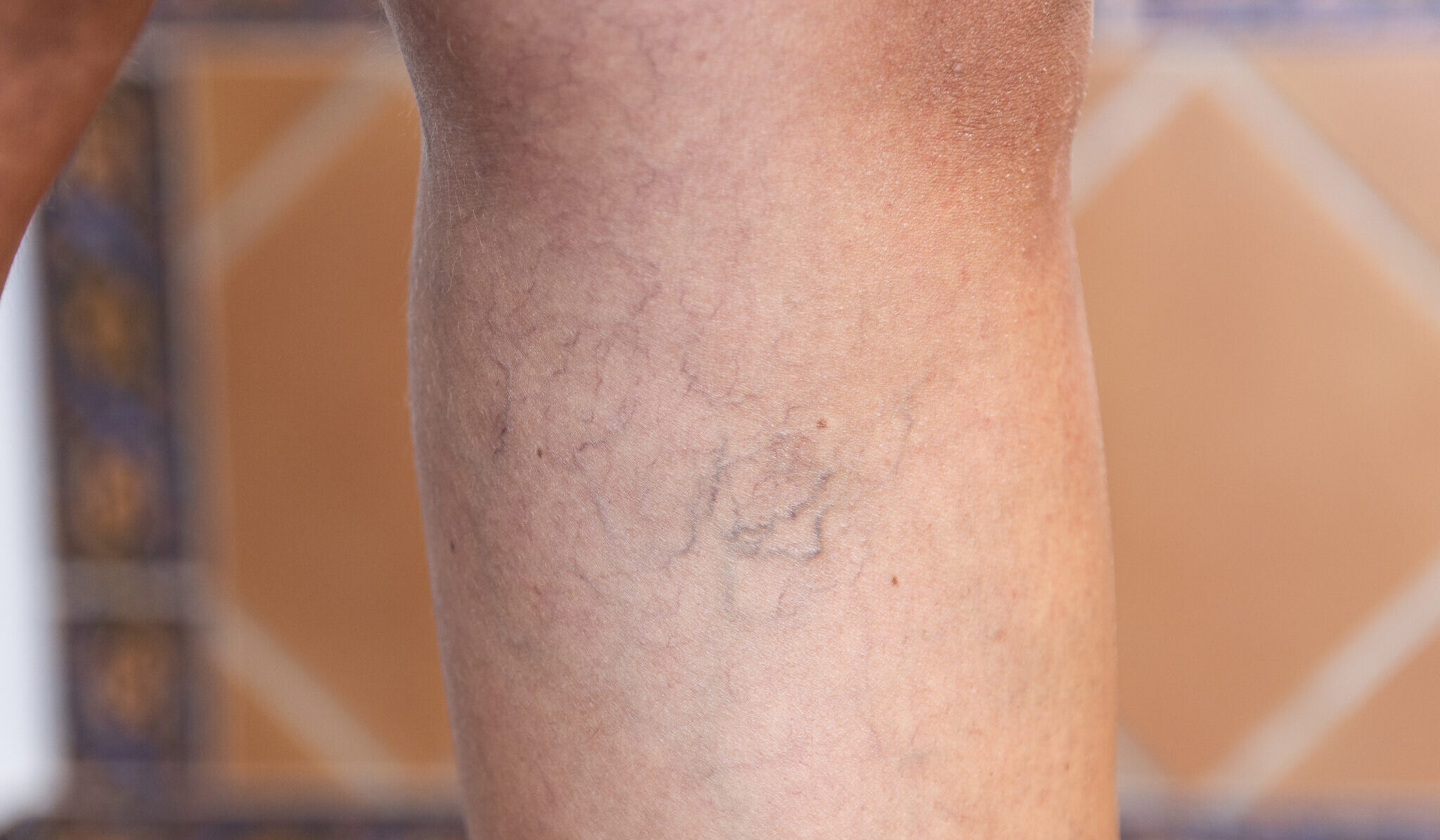
Varicose veins are enlarged, twisted veins caused by weakened vein valves that allow blood to pool in the legs. Symptoms may include pain, heaviness, swelling, fatigue, and skin discoloration.
At Vascular Health Center, we treat varicose veins using Radiofrequency Ablation (RFA) or VenaSeal™, depending on each patient’s condition and treatment goals.
A vascular ultrasound evaluation can help determine which treatment option is most appropriate for each patient.